
Wildfire: Understanding the risks to your property
May 11, 2026
Wildfires can threaten homes and businesses beyond the fire zone. Heat, wind‑driven embers, and smoke can damage buildings and disrupt daily life with little warning. Understanding these risks and taking simple, proactive steps can help reduce potential damage and improve preparedness.
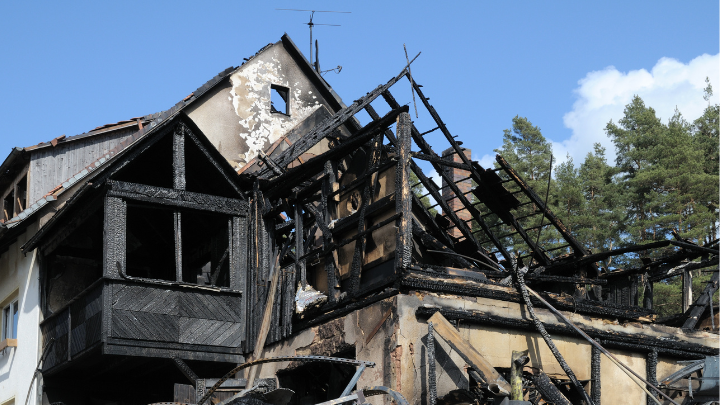
Wildfires can create risks for both residential and commercial properties, even beyond areas directly impacted by flames. Heat, wind‑driven embers, and smoke can damage buildings and disrupt operations, often with little notice.
Understanding these risks—and taking steps to prepare—can help reduce potential damage.
Why wildfire can pose a risk
Wildfires don’t only cause damage through direct contact with flames. Wind‑driven embers can travel long distances, igniting roofs, decks, equipment, or nearby vegetation. Smoke and heat can also affect building materials, indoor air quality, and business continuity.
Changing conditions, such as dry weather and shifting winds, can cause wildfire risk to escalate quickly.
Areas of your property most at risk
Wildfire‑related damage may affect:
- Roofs, gutters, vents, and eaves, where embers can accumulate
- Decks, fences, storage areas, and exterior structures made of combustible materials
- Landscaping, vegetation, and debris close to buildings
- Windows, doors, and exterior finishes exposed to heat and embers
- Attics, crawl spaces, and vents, where embers may enter unnoticed
Reducing exposure in these areas can help lower overall risk.
Steps you can take to help reduce risk
Property owners can take preventative measures to improve wildfire resilience:
- Create defensible space by clearing flammable vegetation, debris, and materials around buildings to help slow the spread of fire and reduce exposure to embers
- Keep roofs, gutters, and landscaping clear of dry leaves, pine needles, and other debris
- Use fire‑resistant or non‑combustible materials where possible, for roofing, siding, windows, doors, and exterior features
- Store combustible materials, equipment, and waste away from buildings and entrances
- Ensure vents and openings are screened and well-sealed to prevent embers from entering the structure.
- Develop an emergency or evacuation plan tailored to your household or business, including defined roles, routes, and meeting points.
Preparation and ongoing maintenance are key components of wildfire risk reduction.