
Snowmelt and rain runoff: The risks to your property
March 5, 2026
Melting snow and ice can release large volumes of water in a short time. When that water has nowhere to go, it can overwhelm drainage systems and increase the risk of property damage. Understanding the risks—and taking preventative steps—can help protect your home and avoid costly repairs.
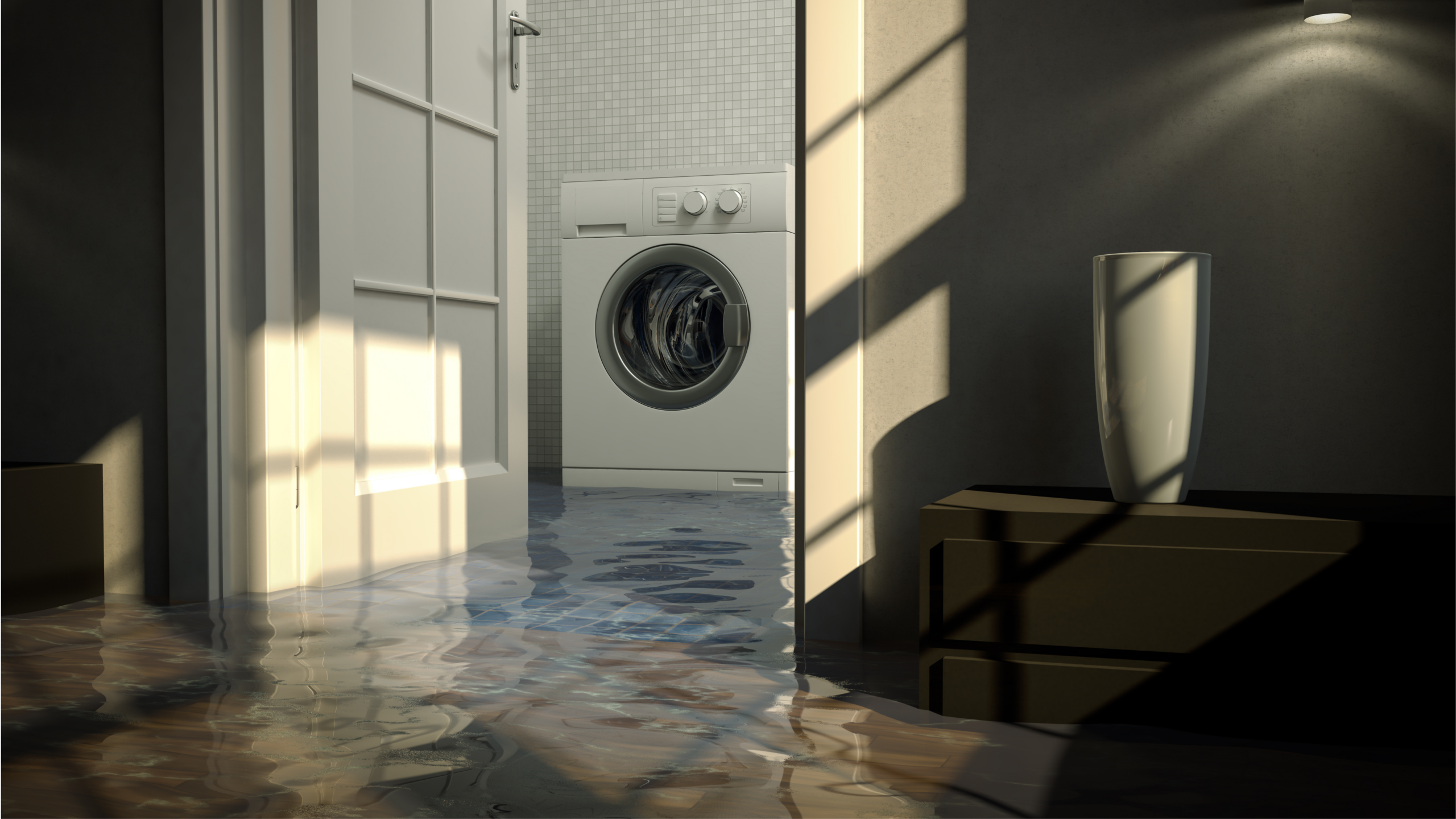
Melting snow and ice, especially when combined with rainfall, can create a significant amount of excess water around homes and buildings. When that water has nowhere to go, it can overwhelm drainage systems and increase the risk of water damage to your property.
Understanding how snowmelt affects your home—and taking a few preventative steps—can help reduce the likelihood of damage and avoid costly repairs.
Why snowmelt can pose a risk
As snow and ice melt, water flows across frozen or saturated ground that may not be able to absorb it quickly. This runoff can collect near foundations, back up into drains, or place added pressure on roofs and eavestroughs.
In some cases, fluctuating temperatures can also contribute to freeze‑thaw cycles, increasing the chance of ice buildup and water intrusion. Together, these conditions can create unexpected risks for homeowners.
Areas of your property most at risk
Snowmelt and excess water can affect several areas of a property, including:
- Basements and foundations, where water can seep in through cracks, window wells, or low‑lying entry points
- Roofs and eavestroughs, where ice buildup or blocked drainage can force water under shingles
- Storm drains and sewer systems, which can become overwhelmed by excess runoff
- Grading around the home, which may direct water toward the building instead of away from it
Even small issues in these areas can lead to significant damage if water is not properly managed.
Steps you can take to help reduce your risk
There are simple steps you can take to help protect your property from damage caused by melting snow and excess water:
- Clear snow away from the foundation of your home to help prevent water from pooling and seeping into basements or crawl spaces.
- Make sure eavestroughs and downspouts are clear so water can flow freely and drain away from your home.
- Ensure downspouts extend away from the foundation, directing water several feet from the building.
- Check nearby storm drains and catch basins to make sure they aren’t blocked and can handle increased water flow.
- Inspect your sump pump to ensure it’s working properly and able to manage excess water if needed.
Taking these preventative steps can help reduce the risk of water damage and the disruption that often comes with repairs.
Understand your insurance coverage
Not all water damage is covered the same way under every insurance policy. Coverage can vary depending on how the water enters your home and whether you have optional endorsements in place.
Reviewing your policy and speaking with your broker can help you better understand what’s covered and whether additional protection may be appropriate for your situation.
Stay prepared
Snowmelt and excess water can create risks whenever conditions allow water to accumulate quickly. Regular maintenance, early action, and the right insurance coverage can go a long way in protecting your property.
Being proactive can help safeguard your home and provide peace of mind.