

A deeper look at our target segments: Retail
May 14, 2026
Commercial Lines
Understand our Retail appetite at a glance. This quick guide highlights target risks, key underwriting considerations, and a real‑world example.
As part of our continued focus on Main Street businesses, we’re taking a closer look at one of our core target segments: Retail. These businesses sell goods directly to consumers and maintain a visible presence within their communities. Our appetite focuses on well-managed operations with proven track records, modern security, effective loss control, and clean, customer-friendly environments.
While some brokers may find this overview familiar, it remains fundamental to how we evaluate and underwrite community-focused operations.
Appetite at a glance
|
Business category |
Examples |
|
Beauty & Health |
|
|
Apparel |
|
|
Electronics |
|
|
Food |
|
|
Hobbies & crafts |
|
|
Home goods & decor |
|
*All risks are subject to underwriting review
General underwriting considerations
- Specialized coverage: Retail businesses rely on cash registers, refrigeration, and HVAC systems. If any of these break down, it can lead to lost sales, spoiled inventory, and costly repairs. Consider equipment breakdown coverage. Gore’s extended bundle also includes beneficial coverage for retail operations such as deferred payment plan stock. Subject to terms and conditions, it covers stock sold on a conditional or installment basis. If insured damage occurs before full payment is received, the unpaid balance is covered (excludes purchaser default).
- Client-specific exposures: Retail operations that directly import from outside North America may require additional underwriting review. If there are sales outside of North America be sure to let us know, so we can review for acceptability.
- Business interruption: Consider the type of retail operation, its reliance on foot traffic and supply chains, and the strength of its contingency planning. How prepared are they to navigate unexpected challenges to maintain business continuity?
- Geographic scope: Our appetite is focused on Canadian-based retail businesses
- Submission quality: Detailing operations, and an understanding of all products sold helps us deliver a faster, smoother response.
- Premises condition and age: For businesses operating out of older buildings (40+ years), ensure that electrical, plumbing, heating, and roofing have been updated.
Real-world example: Why we wrote this account
- Client profile: Carpet & flooring store
- Established: 1989
- Locations: Two
- Annual revenue: $5.5M
- Average location insured value: $2.8M
- Risk highlights:
- Claims-free history and continuous coverage
- Buildings are older but fully updated (electrical, plumbing, HVAC, roof)
- Why it was a fit:
- Transparent quoting process with the broker and solid industry experience
- No gaps in coverage or non-payments
- Low-risk retail environment allowed for competitive pricing
What’s the latest?
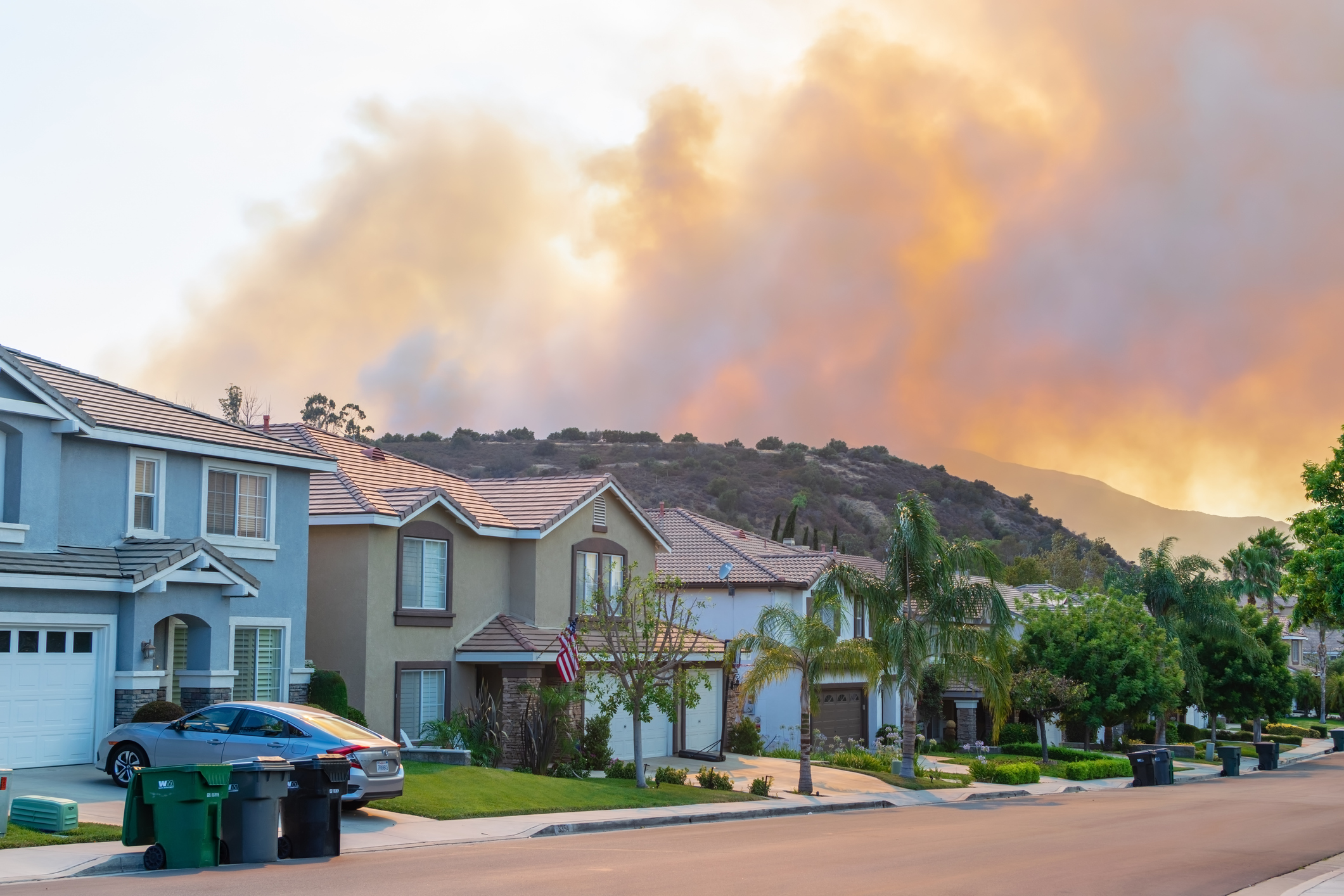
Successful wildfire protection through WDS
October 15, 2026

Making underwriting referrals easier to navigate
Commercial Lines, Personal Lines
October 15, 2026
New Guidewire enhancements provide clearer guidance and greater visibility throughout the underwriting referral process for Personal Lines and IRCA.